Radio Shamroon Episode 3700D3 – Trump, Iran Tensions and Middle East Analysis
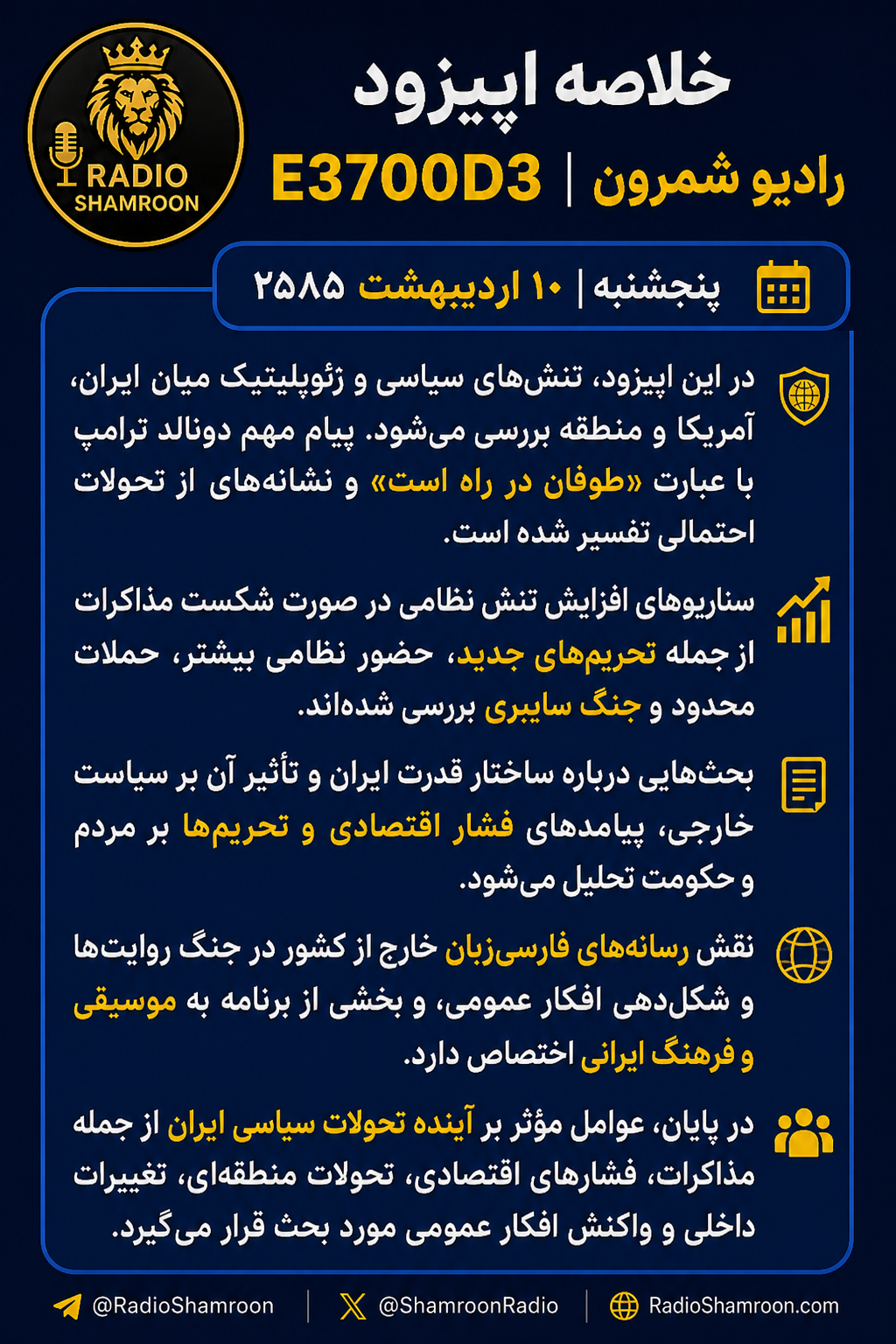
Radio Shamroon Episode 3700D3: Iran, Trump and Rising Geopolitical Tensions
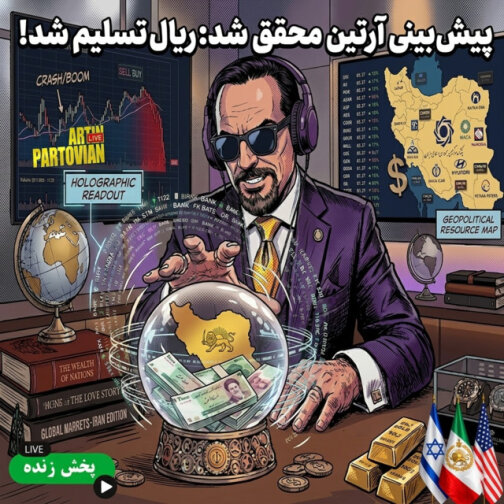
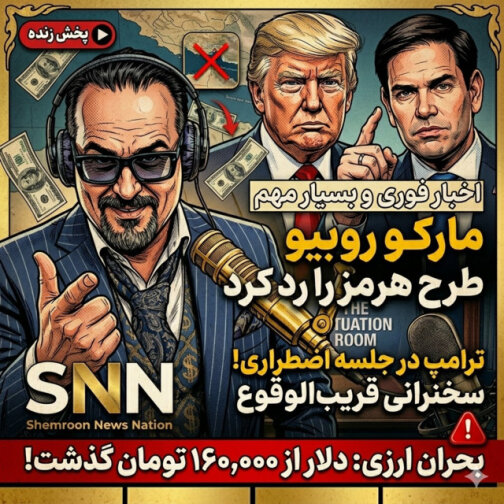
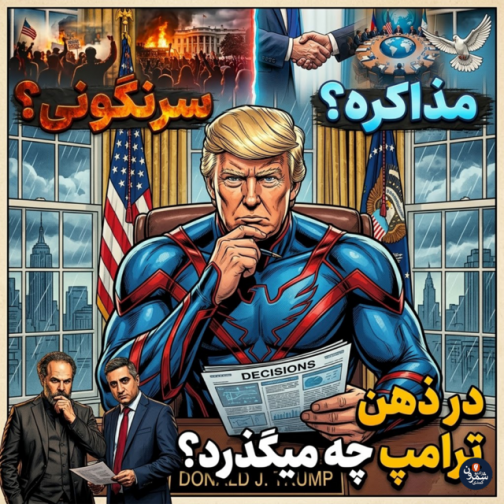
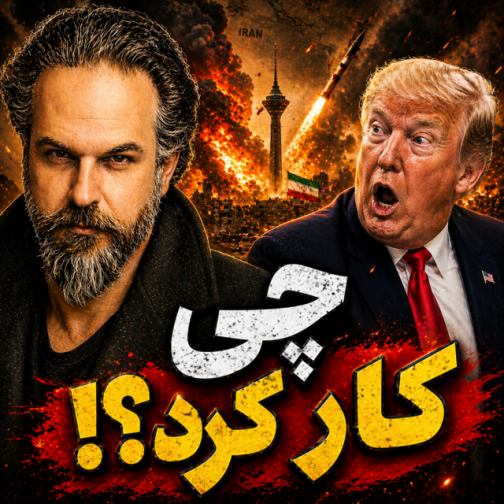
Episode 3700D3 of Radio Shamroon, hosted by Artin Partovian, explores a wide range of political developments involving Iran, the United States, and the broader Middle East. The episode blends political commentary, satire, audience interaction, and geopolitical analysis. It discusses recent developments such as Donald Trump’s cryptic message about an approaching “storm,” the possibility of renewed military escalation, and the ongoing internal tensions within the Iranian political system.
Radio Shamroon has become a widely followed independent Persian-language program among Iranian audiences worldwide. Its format combines news analysis with cultural commentary and direct engagement with listeners. Episode 3700D3 continues this tradition by examining major global developments while reflecting on their impact on Iranian society and politics.
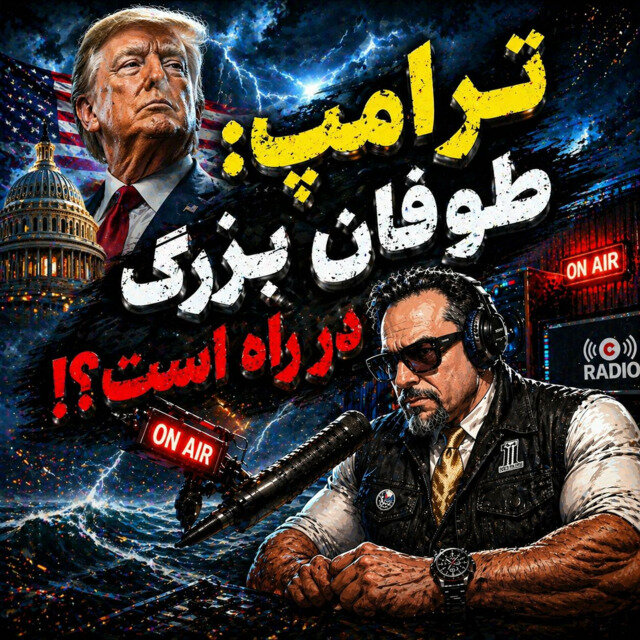
Trump’s “The Storm Is Coming” Message
One of the main topics discussed in the episode is a mysterious message attributed to former U.S. President Donald Trump that circulated widely across social media platforms. The phrase “The Storm Is Coming” quickly sparked speculation among analysts and political commentators.
While the exact meaning of the message remains unclear, it has been interpreted in several ways. Some observers believe it could refer to upcoming political developments in the United States, while others argue that it may signal potential geopolitical changes involving Iran or other global actors.
In the broadcast, the host discusses how such symbolic political messages often fuel intense debates online. Supporters interpret them as strategic signals, while critics view them as rhetorical tools used to energize political bases or provoke discussion within international media.
Potential Military Escalation in the Middle East
Another major theme in the episode is the possibility of renewed military tensions in the Middle East. Analysts have been debating whether negotiations between Iran and Western powers could collapse, potentially leading to increased military pressure or even direct confrontation.
Several potential scenarios are explored during the discussion:
- Expansion of economic sanctions against Iran
- Naval tensions in the Persian Gulf and Strait of Hormuz
- Cyber operations targeting strategic infrastructure
- Limited military strikes against strategic installations
- Escalation through regional proxy groups
Any of these developments could have significant consequences not only for the Middle East but also for global energy markets and international security.
Internal Political Tensions Inside Iran
The episode also examines internal divisions within Iran’s political leadership. Reports suggest that disagreements exist among various factions regarding foreign policy strategy and the direction of negotiations with international powers.
Such divisions are not unusual in complex political systems, particularly when countries face external pressure and economic challenges. However, when disagreements become more visible, they can influence public perception and policy outcomes.
Radio Shamroon highlights how these internal dynamics may shape future decisions within the Iranian government, especially concerning negotiations, economic policy, and regional strategy.
The Role of Economic Pressure
Economic sanctions have long been one of the primary tools used by Western governments to influence Iran’s behavior. The program discusses how economic pressure has affected Iran’s domestic economy and international relations.
Sanctions can impact a country in multiple ways:
- Reducing government revenue and access to global markets
- Limiting technological imports and financial transactions
- Increasing domestic economic hardship
- Encouraging diplomatic negotiations
Supporters of sanctions argue they create leverage for diplomacy, while critics believe they often harm ordinary citizens more than political elites.
Media Narratives and Information Warfare
One of the most important aspects of modern geopolitics is the battle over information and media narratives. Radio Shamroon discusses how different media outlets present contrasting interpretations of the same events.
State-controlled media within Iran often frame developments differently than independent or international outlets. Meanwhile, diaspora media organizations—including Radio Shamroon—provide alternative perspectives that reach audiences both inside and outside the country.
This dynamic has created what analysts call an information war, where competing narratives attempt to shape public opinion and political understanding.
The Role of Iranian Diaspora Media
Independent Persian-language media based outside Iran have become increasingly influential in shaping political discussions among the Iranian diaspora. Programs like Radio Shamroon combine news coverage, analysis, cultural content, and listener interaction.
These platforms allow audiences to hear perspectives that might not appear in official Iranian media channels. At the same time, they contribute to broader debates about Iran’s political future and the role of global powers in the region.
Listeners often participate through live calls, social media messages, and online discussions, creating an interactive media environment that differs significantly from traditional broadcasting models.
Cultural Elements Within the Program
Despite its strong political focus, Radio Shamroon also includes segments devoted to Iranian music and cultural discussion. Music has long played an important role in Iranian identity and serves as a way to connect audiences across borders.
These cultural segments provide balance within the program, reminding listeners of shared traditions and experiences that extend beyond political disagreements.
By blending political commentary with music and cultural reflections, the show maintains a unique format that appeals to a broad audience of Persian speakers worldwide.
Future Scenarios for Iran’s Political Landscape
Toward the end of the discussion, the program considers possible future scenarios for Iran. Several key factors could shape the country’s trajectory in the coming years:
- Diplomatic negotiations with Western powers
- Regional geopolitical developments
- Domestic political reforms or power struggles
- Economic conditions and public sentiment
- Global energy market dynamics
Predicting the exact outcome of these factors is extremely difficult. However, analysts agree that the Middle East remains one of the most strategically important and complex regions in global politics.
Conclusion
Radio Shamroon Episode 3700D3 offers an extensive overview of the current geopolitical climate surrounding Iran and its international relationships. Through a combination of commentary, satire, and political analysis, the program examines Trump’s controversial message, potential military escalation, economic pressure, and internal political debates within Iran.
Programs like Radio Shamroon demonstrate the growing importance of independent Persian-language media in shaping political discussions among Iranian audiences around the world. As regional developments continue to evolve, platforms like this will likely remain central to debates about Iran’s future and the broader geopolitical landscape.
For more analysis and commentary, visit our related coverage: