Iran Protests, Regime Pressure and Middle East Conflict: A Deep Analysis
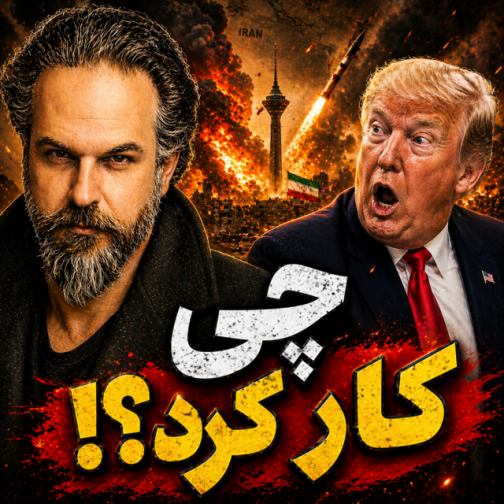
Iran has once again become the center of global attention. Widespread protests, economic pressure, and escalating regional conflicts have intensified political uncertainty across the Middle East.
From domestic unrest inside Iran to military tensions involving Israel, Lebanon, and global powers, the region is experiencing a critical geopolitical moment.
In this analysis, we explore the roots of Iran protests, the broader Middle East conflict, and historical dynamics that continue to shape Iran’s political trajectory.
Iran Protests and the Current Political Climate
Growing Social Unrest in Iran
Iran has witnessed repeated waves of protests driven by economic hardship, political repression, and public frustration with government policies. Rising inflation, unemployment, and restrictions on civil liberties have contributed to growing dissatisfaction among large segments of the population.
Authorities have responded with strict security measures, including internet disruptions and increased surveillance, aimed at limiting communication between protest groups.
Economic Crisis and Public Frustration
Economic conditions have played a major role in fueling Iran protests.
- Rapid inflation affecting essential goods
- Severe currency devaluation
- Declining purchasing power
- Limited job opportunities for younger generations
For many citizens, everyday life has become increasingly difficult, strengthening calls for structural political change.
Regional Tensions and the Expanding Middle East Conflict
Israel, Lebanon, and Iranian Influence
Tensions between Israel and Hezbollah in southern Lebanon have further destabilized the region. Hezbollah leaders have rejected ceasefire proposals and signaled readiness for continued confrontation.
Israel has warned that military operations will continue against groups receiving support from Iran.
Because of Iran’s relationship with Hezbollah, this conflict is often viewed as part of a wider Iran–Israel geopolitical rivalry.
Global Powers and Strategic Competition
- Russia maintains strategic cooperation with Iran
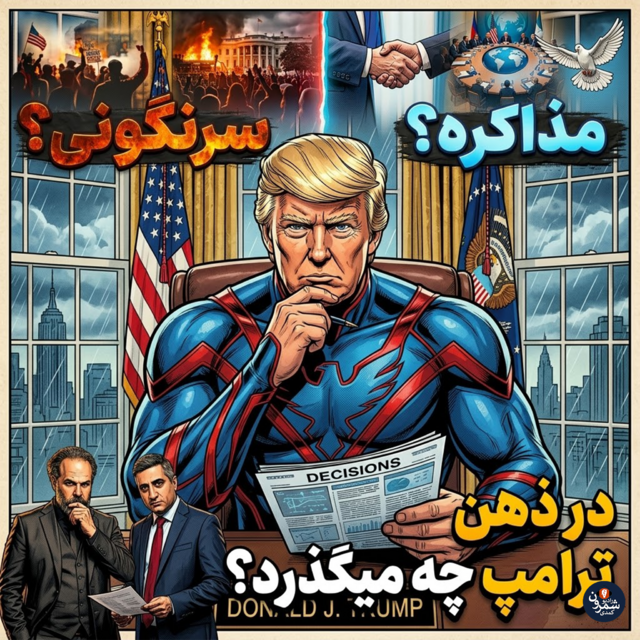
- The United States continues to apply sanctions and diplomatic pressure
- Western governments closely monitor Iran’s nuclear program
These competing interests increase the complexity of any potential diplomatic solution.
The Strait of Hormuz and Strategic Economic Pressure
The Strait of Hormuz remains one of the world’s most important oil transit routes.
Iran has periodically warned that it could disrupt shipping traffic if international sanctions escalate or if its own maritime trade is blocked.
Any instability in this corridor could significantly affect global oil markets and increase geopolitical tensions across the Middle East.
Historical Context: The Shah of Iran and US Relations
The Strategic Alliance Between Nixon and the Shah
During the Cold War, Iran played a crucial role in US strategy in the Middle East. The relationship between Shah Mohammad Reza Pahlavi and US President Richard Nixon was built on mutual geopolitical interests.
Iran was viewed as a key regional ally capable of counterbalancing Soviet influence.
The Shah’s Legacy and the 1979 Revolution
- Political repression
- Lack of democratic institutions
- Rapid social transformation
These tensions eventually culminated in the 1979 Iranian Revolution, dramatically reshaping Iran’s political system and its relationship with the West.
Media Narratives and Information Warfare
Media coverage of Iran protests and Middle East conflicts often varies depending on political perspective. Some narratives emphasize human rights concerns while others focus on strategic geopolitical considerations.
Social media also plays a powerful role in shaping public perception, making reliable information more important than ever.
What Could Happen Next?
Is Regime Change Possible in Iran?
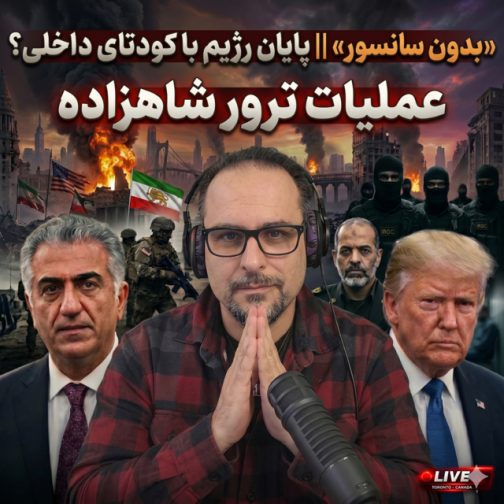
Some analysts believe Iran is facing one of its most serious political and economic crises in decades. However, predicting regime change remains highly complex.
The Role of the Iranian People
Iran’s political future will ultimately depend on internal developments, social movements, and political dynamics within the country.
Conclusion
Iran today stands at the intersection of domestic unrest and regional geopolitical rivalry. Economic pressure, social dissatisfaction, and international tensions have created a fragile environment with global implications.
Understanding Iran protests, historical context, and Middle East conflict dynamics is essential for interpreting the rapidly evolving political landscape of the region.
FAQ
What caused the recent Iran protests?
Economic hardship, inflation, political restrictions, and dissatisfaction with government policies.
Why is Iran important in Middle East conflicts?
Iran plays a central role through regional alliances, strategic geography, and influence over groups such as Hezbollah.
Who was the Shah of Iran?
Mohammad Reza Pahlavi was Iran’s monarch before the 1979 revolution and maintained close relations with the United States.
Could Iran experience regime change?
While political pressure is increasing, predicting regime change remains uncertain due to complex domestic and geopolitical factors.