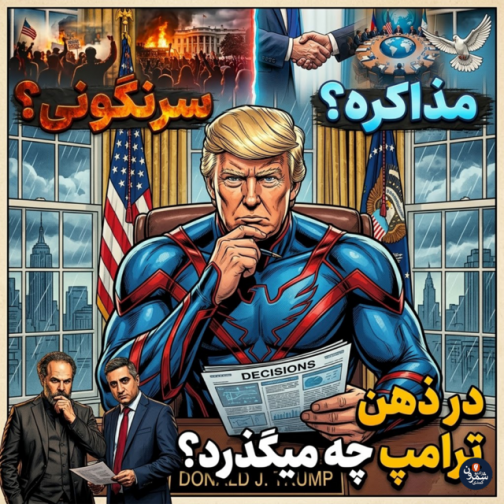
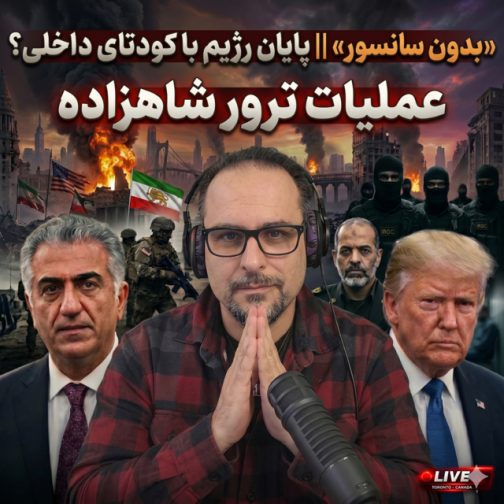
Podcast 3700D1 – Iran Crisis, Oil Politics & Strait of Hormuz Tensions | April 29, 2026
Program Overview
In Episode 3700D1 of Radio Shemroon, hosted by Artin Partovian, the program explores key political, economic, and cultural developments affecting Iran and the Middle East.
The broadcast analyzes Iran’s economic crisis, oil geopolitics, Iran–US tensions, and regional power dynamics, alongside commentary on media narratives, technology, and Iranian cultural identity.
The discussion reflects concerns shared by Iranians inside the country and across the diaspora, combining political analysis, listener interaction, and cultural commentary.
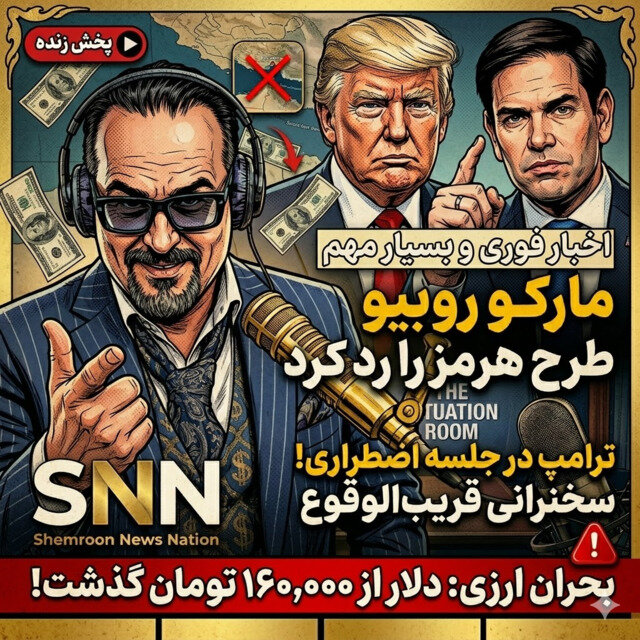
Iran’s Political and Economic Crisis
OPEC Dynamics and the UAE’s Strategic Shift
One of the key topics discussed in the program is the United Arab Emirates’ reported decision to leave OPEC and OPEC+.
The broadcast highlights the historical background of OPEC, noting that the organization was originally established during the reign of Shah Mohammad Reza Pahlavi, when oil-producing countries sought greater influence over global energy markets.
- The UAE aims to pursue independent oil production policies
- OPEC production quotas are increasingly viewed as restrictive
- Regional tensions are reshaping global oil alliances
The program also references British Petroleum (BP) reporting approximately $3.2 billion in profit during the first quarter, partly driven by oil market volatility linked to geopolitical tensions.
Strait of Hormuz and Iran–US Geopolitical Tensions
The program examines the strategic importance of the Strait of Hormuz, one of the world’s most critical oil transit routes.
- The Strait of Hormuz functions as a major global energy chokepoint
- Tensions between Iran and the United States increase regional instability
- Control of maritime routes is considered a major geopolitical leverage tool
Statements attributed to former US President Donald Trump are referenced, suggesting that the United States effectively controls the strait and that Iran had requested assistance reopening it.
Iran’s Economic Instability and Currency Crisis
Another major theme of the program is the collapse of the Iranian currency and worsening economic conditions.
- The Iranian rial has experienced severe devaluation
- Exchange rates reportedly reached up to 245,000 tomans per US dollar
- Internet restrictions and wartime conditions disrupted currency markets
These economic pressures have pushed many Iranian households into survival mode as they struggle with inflation, housing costs, and declining purchasing power.
Iran–US Conflict and Nuclear Negotiations
The broadcast also analyzes evolving tensions between Iran and the United States.
- A conflict environment lasting roughly two months
- Iran proposing to delay nuclear negotiations until regional tensions ease
- US officials insisting nuclear issues remain central to negotiations
Economic sanctions, naval tensions, and diplomatic pressure are described as key elements of the broader geopolitical confrontation.
Media Narratives and Information Control
The program discusses media narratives and information warfare surrounding Iran and Middle Eastern conflicts.
According to the host, different media outlets frame geopolitical developments differently, while independent media platforms play an important role in offering alternative perspectives.
Technology and Social Media in Iran
The program also addresses the Iranian messaging platform Rubika, which reportedly has more than 112 million users.
- Concerns about government oversight and censorship
- Limited user autonomy within the platform
- Challenges for digital freedom in Iran
The broadcast also touches on AI-generated Persian music, noting the difficulty of producing natural-sounding Persian vocals with current AI technology.
Cultural Identity and Historical Heritage
Another segment focuses on Iranian cultural heritage, particularly artistic motifs seen in historic mosques.
The host notes that many decorative elements commonly associated with Islamic architecture actually originate from pre-Islamic Iranian artistic traditions, highlighting the deep continuity of Persian culture.
Key Themes from Podcast 3700
- Iran faces economic pressure, geopolitical isolation, and domestic challenges
- Oil politics and the Strait of Hormuz remain central to regional tensions
- Currency instability continues to affect everyday life in Iran
- Independent media and cultural awareness are essential for understanding developments
Key Data Referenced in the Program
| Indicator | Value | Context |
|---|---|---|
| BP Q1 Profit | $3.2 Billion | Linked to oil market volatility |
| Rubika Users | 112 million | Reported user base in Iran |
| Rial Exchange Rate | ~245,000 tomans / USD | Severe currency devaluation |
| Iran Population | ~90 million | Context for digital platform use |
Unverified or Speculative Claims
Some statements discussed in the program remain unconfirmed or speculative, including potential timelines for renewed military confrontations and certain geopolitical claims mentioned during the broadcast.
These points are presented as commentary within the program rather than independently verified reporting.