Iran on the Brink? Inside Trump’s Strategy, Secret Talks, and Rising Middle East Tensions
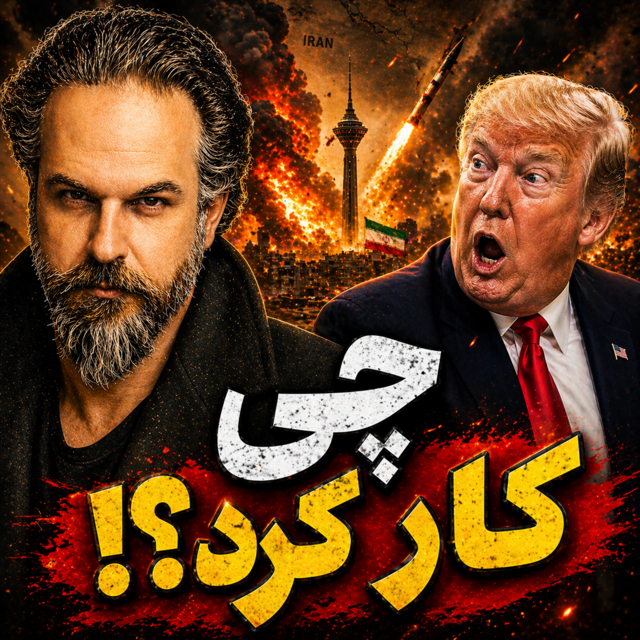
Is Iran approaching a turning point? Behind the headlines, a complex mix of political infighting, quiet negotiations, and military signaling is reshaping the future of the region. What looks like diplomacy on the surface may actually be part of a much deeper strategic game.
The Hidden Reality of Iran’s Political Landscape
Iran’s internal political scene is far from unified. Competing factions continue to struggle for influence, each pushing its own vision for the country’s future. In recent months, speculation around figures like Qalibaf has intensified, particularly regarding alleged backchannel communications.
While none of these claims are fully confirmed, they reveal a deeper truth: power in Iran is increasingly contested behind closed doors.
Trump’s Iran Strategy: Pressure Beyond Sanctions
Donald Trump’s approach toward Iran has never been limited to sanctions alone. Instead, it appears to follow a broader strategy—one that aims to exploit internal divisions rather than rely solely on external force.
This method has been used before in other geopolitical conflicts. However, Iran’s political structure and national identity make the outcome far less predictable.
The key question: Is this strategy weakening the system—or unintentionally strengthening internal resistance?
Are Negotiations Real—or Just Another Battlefield?
Diplomatic talks are often presented as efforts to reduce tension. But in reality, negotiations between Iran and global powers may serve multiple purposes.
- Testing political resilience
- Buying time for strategic moves
- Sending signals to internal and external audiences
In this context, negotiation is not just diplomacy—it’s strategy.
Military Moves Behind the Scenes
At the same time that talks continue, military activity in the region is quietly increasing. The growing presence of U.S. forces in the Persian Gulf suggests that diplomacy is being backed by hard power.
This dual-track approach—talks combined with force—has become a defining feature of the current situation.
Message received: Negotiation without leverage is no longer an option.
Rising Middle East Tensions: A Regional Domino Effect
The situation is no longer confined to Iran alone. Recent incidents involving Indian vessels and rising tensions linked to Pakistan highlight how quickly the crisis can expand.
Each move by one country triggers reactions from others, creating a fragile and unpredictable environment.
This is no longer a single conflict—it’s a regional chain reaction.
The Human Side: What It Means for Iranians
While geopolitical strategies dominate headlines, ordinary Iranians are facing the real consequences:
- Rising inflation
- Economic pressure
- Growing uncertainty about the future
Public sentiment reflects a mix of frustration and cautious hope. Many are watching closely, aware that decisions made at the top will directly impact their daily lives.
Identity, Resistance, and National Pride
Despite ongoing challenges, Iran’s strong cultural identity remains a central factor. For many, the situation goes beyond politics—it’s about sovereignty, resilience, and national dignity.
This perspective continues to shape both internal dynamics and responses to external pressure.
Global Powers and the Bigger Picture
The United States and its allies remain deeply involved, combining diplomacy, intelligence activity, and military readiness. Their goal is not just influence—but control over how the situation evolves.
At the same time, new alliances and shifting global dynamics are adding further complexity to an already volatile region.
Conclusion: A High-Stakes Game with No Clear End
Iran’s political future is being shaped by a powerful mix of internal conflict, external pressure, and strategic maneuvering. Every move—whether diplomatic or military—feeds into a larger and more complex picture.
One thing is certain: this situation is far from stable.
As tensions continue to rise, the world is watching closely—because what happens next could reshape the balance of power in the Middle East.
FAQ
Is Iran really close to a major political shift?
There are increasing signs of internal pressure and external influence, but the outcome remains uncertain.
What is the main goal of Trump’s Iran strategy?
To apply pressure both externally and internally by exploiting divisions within the system.
Are current negotiations genuine?
They may serve both diplomatic and strategic purposes, depending on the context.
Why are tensions rising across the Middle East?
Because multiple countries are involved in interconnected conflicts and shifting alliances.